What Is a Fancy Yarn Making Machine and How Does It Work?

A fancy yarn making machine is designed to create yarns with unusual textures, colours, loops, or surface effects. Unlike standard spinning equipment, it combines controlled feeding, twisting, stretching, and sometimes wrapping in one coordinated process. The result may resemble slub, boucle, chenille, or metallic-effect yarn. Each structure feels different between the fingers.

Dr. J. Hayavadana, a textile engineering researcher and author, describes the principle clearly: “Fancy yarns are produced by introducing deliberate irregularities into an otherwise controlled yarn structure.” That balance explains why machine settings matter so much. A small change in roller speed can lengthen a slub. Slightly higher tension can flatten a loop. The operator watches the drafting zone, checks the bobbin build, and tests a short sample before full production.

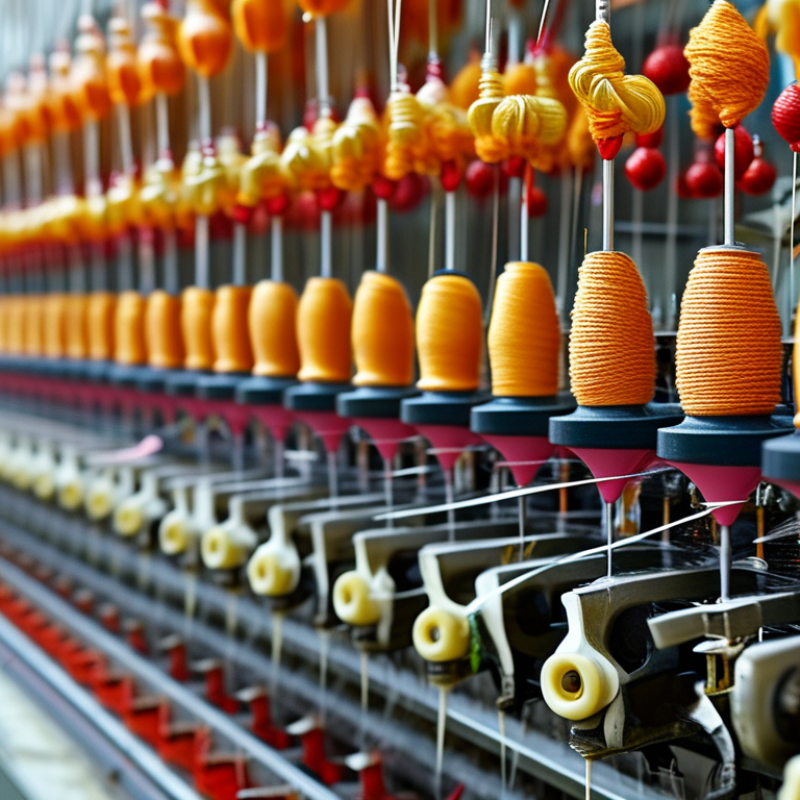
Inside a fancy yarn making machine, base and effect fibres usually enter through separate feeding paths. The machine regulates their delivery rates and combines them at a selected point. A twisting unit then fixes the visible design. Some machines add a binder yarn to improve strength and prevent the effect from opening during weaving or knitting. The process sounds precise. It is not always predictable.

Humidity, fibre length, tension, and operator experience can alter the final appearance. This is where practical knowledge becomes important. A setting that works for cotton may fail with wool or recycled fibres. Therefore, this guide examines the machine’s main parts, working sequence, suitable materials, and quality checks. It also considers a less comfortable truth: attractive irregularity still requires disciplined control.
What Is a Fancy Yarn Making Machine and How Does It Work?

Definition and Core Functions of a Fancy Yarn Making Machine

What Is a Fancy Yarn Making Machine and How Does It Work?

A fancy yarn making machine produces yarns with decorative textures, colors, or surface effects. Its core function is to combine different yarn components under controlled tension. These components may include a core yarn, an effect yarn, and a binding yarn. Together, they create loops, slubs, curls, waves, or soft thick areas.

The machine guides each yarn through rollers, feeders, and twisting units. Adjustable feeding speeds control how much effect yarn enters the structure. A faster feed can form larger loops or irregular sections. Twisting then secures these details around the core yarn. Some machines also use sensors to monitor tension and yarn breaks. This helps maintain consistent production, although small variations can still occur.

Practical inspection matters.

An operator may check the yarn after every production change. The surface should look intentional, not tangled or unstable. A loose binding yarn can cause weak sections during knitting. Excessive tension may flatten the decorative effect. In my view, this is where machine knowledge becomes important. Settings that work for one fiber may fail with another. A machine can follow its programmed values, yet the final yarn may still feel too stiff or visually uneven. Careful sampling, tension adjustment, and repeated testing remain necessary for reliable results.

Main Components and Their Roles in Yarn Production

What Is a Fancy Yarn Making Machine and How Does It Work?

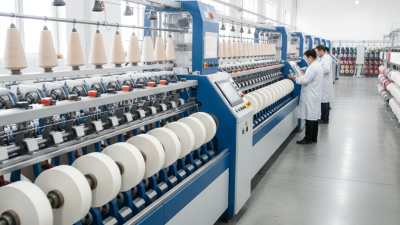
A fancy yarn making machine combines different fibers, colors, thicknesses, or surface effects in one controlled process. Its main components determine the yarn’s appearance, strength, and consistency. The feeding unit delivers core, effect, and binding fibers at measured speeds. Uneven feeding can create attractive variation, but excessive variation causes weak spots. Small errors spread.

The drafting system controls fiber alignment before twisting. Rollers pull fibers at different speeds, creating slubs, loops, or thick-and-thin effects. The twisting unit then locks these structures together. Its spindle, rotor, or hollow shaft must maintain stable tension during high-speed rotation. Keep it stable.

The winding unit packages finished yarn onto cones while monitoring hardness and shape. Sensors can detect breaks, diameter changes, and irregular tension, although sensors do not replace skilled inspection. Operators still need to check touch, texture, and visual balance.

The International Textile Machinery Federation’s 2023 shipment statistics recorded about 8.61 million new short-staple spindles worldwide, showing continued investment in modern spinning equipment. Textile Exchange reported global fiber production reached 124 million tonnes in 2023, with polyester representing approximately 57%. These figures underline the need for efficient material control and adaptable machinery.

A machine may produce impressive effects, yet its settings require repeated testing. My practical concern is simple: attractive yarn is not always reliable yarn. The best assessment combines machine data, sample testing, and careful human judgment.

How Fibers Are Fed, Twisted, and Shaped Step by Step

What Is a Fancy Yarn Making Machine and How Does It Work?

A fancy yarn making machine transforms ordinary fibers into textured yarns with loops, slubs, curls, or color effects. The process begins at the feeding unit. A core fiber enters at a controlled speed, while an effect fiber travels beside it. Rollers guide both materials through separate paths. Small speed differences create visible texture. According to Textile Exchange’s Materials Market Report 2024, global fiber production reached about 124 million tonnes in 2023. This scale makes efficient fiber control increasingly important.

The machine then twists the fibers around a central strand. A spindle, hollow rotor, or rotating disc supplies the needed tension. Sensors monitor yarn movement and help reduce uneven sections. Next, a binder yarn secures the temporary shape. For loop yarn, the effect fiber feeds faster and forms soft arcs. For slub yarn, the system briefly increases fiber delivery. For spiral yarn, two strands rotate at different speeds. The final yarn passes through a take-up roller and winds onto a package.

In practical production, operators adjust speed, twist, tension, and overfeed together. One small change can alter the yarn’s handle dramatically. The first sample is rarely perfect. That matters. A tighter twist may improve stability but reduce softness. A lower tension may create richer texture but increase breakage. Textile Exchange also projects global fiber production could approach 160 million tonnes by 2030, making stable machine settings valuable for reducing waste and repeated trials.

What Is a Fancy Yarn Making Machine and How Does It Work? - How Fibers Are Fed, Twisted, and Shaped Step by Step

A fancy yarn making machine combines controlled fiber feeding, drafting, twisting, effect formation, and binding to produce yarns with deliberate variations in thickness, texture, color, or surface structure.

Process Stage Main Machine Action Important Control Variables Typical Result in the Yarn Quality Check
1. Fiber Preparation Fibers, spun yarns, filaments, or decorative components are placed on separate supply packages and guided toward the feeding zone. Fiber length, linear density, moisture content, package tension, and compatibility between core and effect materials. A stable material supply with fewer breaks, snarls, and uneven feed conditions. Check clean fiber flow, package condition, correct material identification, and consistent unwinding tension.
2. Core-Yarn Feeding A central yarn is fed continuously to provide the basic strength and structure of the finished fancy yarn. Delivery speed, yarn tension, core count, and the ratio between core and effect materials. The core remains continuous while decorative fibers or yarns are added around it. Measure core linear density, inspect tension stability, and look for missing or overfed sections.
3. Effect-Material Feeding An effect yarn, roving, sliver, filament, or fiber bundle is introduced at a controlled speed relative to the core. Overfeed percentage, feed-roll speed, drafting ratio, material tension, and feed timing. Controlled loops, slubs, neps, spirals, curls, or other surface effects. Compare effect spacing, effect size, and coverage with the planned yarn specification.
4. Drafting and Attenuation Rollers or drafting elements regulate the thickness and mass of a fiber strand before twisting. Roller speed ratio, roller gauge, drafting force, fiber cohesion, and surface friction. A thinner, thicker, or intentionally irregular strand, depending on the selected yarn design. Check mass variation, strand continuity, and whether fibers are being stretched or damaged excessively.
5. Primary Twist Formation Spindles, rotors, hollow spindles, or twisting heads insert twist into the combined materials. Twist direction, twist level, spindle or rotor speed, yarn delivery speed, and winding tension. Fibers become more cohesive, while the effect material begins to wrap, loop, or migrate around the core. Twist is commonly expressed as turns per metre or turns per inch; inspect twist consistency along the yarn.
6. Effect Formation Differential feeding and controlled twisting shape the visible texture of the yarn. Core-to-effect speed ratio, periodic feed changes, contact points, and twisting intensity. Examples include boucle loops, slub thick places, spiral wraps, chenille-like pile, and knop effects. Verify repeat length, effect diameter, surface coverage, and the absence of uncontrolled tangles.
7. Binding or Securing A binder yarn or additional twist locks loose loops, fibers, or decorative components into the yarn structure. Binder delivery rate, binder tension, binding twist, and the position of the binding point. Improved abrasion resistance, reduced shedding, and better stability during winding, weaving, or knitting. Perform pull, abrasion, and visual shedding checks; the binder should secure the effect without flattening it.
8. Take-Up and Winding The finished yarn is drawn onto a package with controlled traverse and winding tension. Take-up speed, winding tension, package density, traverse ratio, and package build. A usable package with consistent shape, stable density, and minimal yarn deformation. Inspect package edges, hardness, surface damage, yarn tension, and unwinding performance.
9. Online Monitoring Sensors or operators monitor yarn breaks, tension changes, diameter variation, and machine stoppages. Break-detection sensitivity, tension limits, diameter tolerance, and alarm response time. Faster correction of defects and more consistent production between machine positions. Record break frequency, defect count, coefficient of mass variation, and production interruptions.

Important: Actual production settings vary according to fiber type, yarn count, machine configuration, desired effect, and end use. Overfeed is commonly used to create loops or bulk, while higher binding control generally improves stability but may reduce the openness of the effect.

Types of Fancy Yarn Effects and Their Manufacturing Methods

A fancy yarn making machine combines different fibers, tensions, and twisting speeds to create visible surface effects. Its control system feeds a core yarn while adding effect fibers around it. Rollers regulate delivery, and spindles apply the required twist. Small changes in speed can produce large differences in texture.

Slub yarn contains deliberate thick and thin sections. Machines create it by changing the feeding speed at programmed intervals.

Bouclé yarn forms loops around a stable core, usually through overfeeding and controlled twisting. Chenille yarn uses a cut-pile method, where short fibers stand across a central yarn. The result feels soft, full, and slightly velvety.

Nep yarn includes tiny fiber spots that resemble colored seeds. A special attachment feeds these fibers into the yarn during spinning.

Spiral or corkscrew yarn combines two yarns with different tensions, allowing one strand to wrap around another. Metallic, feather, and eyelash effects require careful fiber placement and moderate tension.

Too much tension can flatten the design. Too little tension may cause snagging or uneven winding.

In production, experienced technicians check yarn samples under normal lighting and after gentle stretching. Machine settings should match fiber length, strength, and moisture. A recipe that works for cotton may fail with wool or synthetic fibers. This part is often underestimated.

Even advanced equipment cannot fully replace practical judgment, because attractive irregularity can quickly become a quality problem.

Key Factors Affecting Machine Performance and Yarn Quality

A fancy yarn making machine combines different fibers, colors, or thicknesses to create textured yarns such as slub, boucle, and loop effects. Its performance depends heavily on feed control, spindle speed, drafting accuracy, and twist stability. Even a small tension change can produce uneven loops or weak sections.

Fiber preparation matters just as much. Clean, evenly opened fibers move through the rollers more smoothly. Humidity also affects results, especially when processing delicate or static-prone fibers. Operators should monitor yarn tension, roller pressure, and winding speed during production. A simple inspection under strong light can reveal broken fibers, loose loops, and irregular thickness. In practice, perfect settings rarely remain perfect throughout a long shift. Machines warm up, fibers change, and small adjustments become necessary.

Tips: Start with a slower speed during setup. Check the first ten meters of yarn before full production. Record tension, twist, humidity, and output quality. Clean drafting rollers regularly, because fiber buildup can distort the yarn structure. Do not adjust several settings at once. That makes faults harder to trace. Test a small sample after every major change. Sometimes a slightly irregular effect is attractive, but uncontrolled variation usually weakens consistency.

What Is a Fancy Yarn Making Machine and How Does It Work?

Fancy yarn machines combine controlled feeding, drafting, twisting, looping, wrapping, or slubbing to create textured yarn structures. The chart shows the relative sensitivity of key process factors to machine performance and finished-yarn quality. Scores are normalized from 0 to 100 and are intended as a general engineering reference rather than a universal laboratory specification.

Stable yarn tension and accurate drafting are usually critical for reducing irregularity, while delivery speed and twisting or wrapping speed must be matched to the target yarn structure. Fiber type, moisture regain, machine condition, and operating speed can change the actual result.