What is Faux Fox Fur and Why is it Popular Today?
Faux fox fur has become a trendy choice in fashion and home decor. It offers the luxurious look of real fur without the ethical concerns. Experts like Anna Hartman, a sustainable fashion advocate, say, “Faux fox fur is not just stylish; it respects animal rights too.”
This material mimics the softness and beauty of fox fur, making it appealing to many. Faux fox fur is often used in coats, accessories, and throw blankets. The vibrant colors and textures attract those seeking both comfort and aesthetic charm. However, the production processes can be complex. Not all faux options are eco-friendly.
Consumers must remain aware of their choices. The popularity of faux fox fur raises questions about sustainability. While it replaces real fur, it still carries environmental impacts. Finding truly sustainable options can be challenging. As faux fur continues to capture interest, discussions around its production and materials should grow.
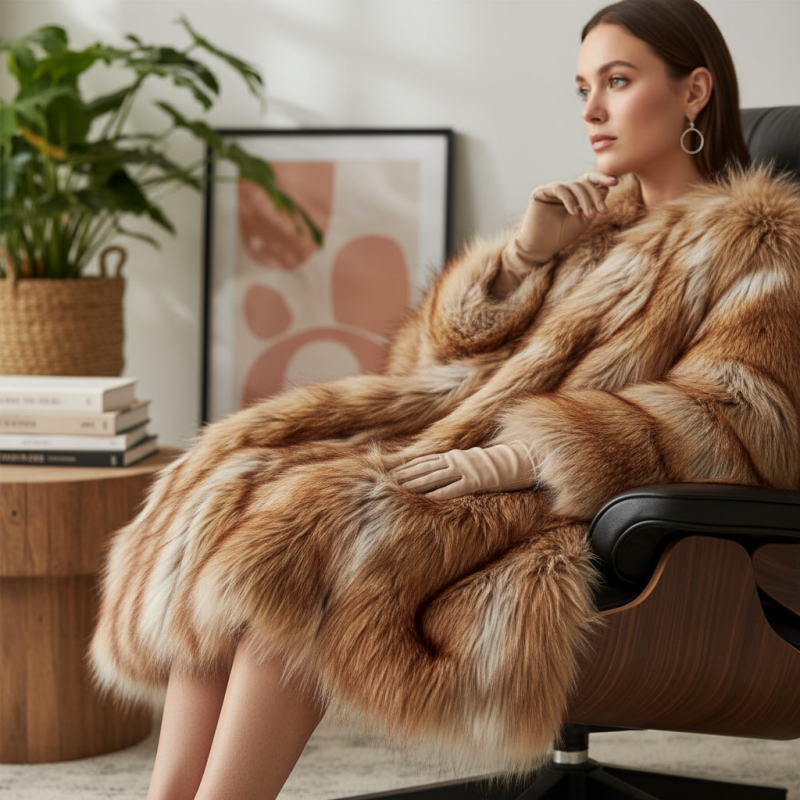
Understanding Faux Fox Fur: Definition and Characteristics
Faux fox fur is a synthetic alternative to real fur. It offers similar texture and warmth but without the ethical concerns. Many people appreciate faux fur for its softness and versatility. It can mimic the luxurious feel of real fox fur but is made from polyester and acrylic.
The appeal of faux fox fur is growing. It is lightweight and often easier to care for. The colors and patterns available are diverse, allowing for creative fashion choices. You can find it in jackets, accessories, and even home decor. Yet, some still question its durability compared to genuine fur.
Such synthetic materials may not degrade easily. This raises environmental concerns for some consumers. While faux fur is considered cruelty-free, it’s important to think about its lifecycle. Choosing faux fur can be a step towards sustainability, but it is not a complete solution. Engaging with the impact of both faux and real fur is essential.
Popularity of Faux Fox Fur Materials Over Recent Years
The History of Faux Fur: Evolution from Traditional Materials
Faux fur has a rich and fascinating history. It emerged as an alternative to real animal fur in the 1920s. At first, it was primarily made from silk or cotton, but advancements in technology changed that. Synthetic fibers like acrylic and polyester transformed faux fur into a viable fashion option. With these materials, faux fur became softer, lighter, and more realistic.
The popularity of faux fur rose significantly during the 1960s and 1970s. People began to embrace animal rights and seek cruelty-free options. This shift created a demand for stylish yet ethical clothing. As fashion evolved, so did the designs of faux fur. Today, it comes in various colors, patterns, and textures. These options allow individuals to express their personal style without causing harm to animals.
Despite its popularity, faux fur requires careful consideration. While it may seem like a guilt-free choice, the environmental impact of synthetic fibers is significant. They can contribute to pollution and waste. This prompts reflection on our clothing choices and priorities. As consumers, we must navigate the balance between fashion, ethics, and sustainability.
Reasons for Popularity: Ethical and Environmental Considerations
Faux fox fur has gained popularity due to ethical and environmental considerations. Many consumers today seek alternatives to real fur. They want to avoid the harm caused to animals. Faux fur offers a compassionate option. It mimics the softness and warmth of real fur without the ethical dilemmas.
The production of faux fur also has environmental implications. Some synthetic fibers used can contribute to plastic pollution. However, there is a growing movement toward sustainable materials. Brands are now exploring eco-friendly alternatives. These could include biodegradable substances or recycled plastics. Consumers are more conscious than ever about their choices.
Imagining a cozy outfit made with faux fur can feel appealing. Yet, one must reflect on the larger impact. Is the effort invested in choosing materials truly sustainable? Not all faux furs are created equal. Some still come with hidden environmental costs. Navigating these issues requires awareness and responsibility.
Applications of Faux Fox Fur in Fashion and Home Decor
Faux fox fur has secured its place in both fashion and home decor. This innovative material mimics the luxurious feel of real fur while adhering to ethical standards. According to the Ethical Fashion Report, approximately 57% of consumers prefer sustainable and cruelty-free options. Faux fur provides just that, without compromising on style or comfort.
In fashion, faux fox fur is a popular choice for coats and accessories. Designers love its versatility. It can be used in everything from evening wear to everyday attire. The Fabric Wholesale Direct states that faux fur sales have increased by 20% over the last year. This rise reflects a larger trend toward conscious consumerism. People are increasingly aware of their choices and their impact on the environment.
Moreover, faux fox fur is finding its way into home decor. It adds warmth and coziness to interiors. Faux fur pillows and throws are common in modern homes. They create an inviting atmosphere without the ethical concerns of real fur. The Home Decor Industry reports that faux fur items have seen a 15% growth in sales. While faux fur offers design benefits, it is crucial to consider its environmental impact. The production process can still be resource-intensive, prompting ongoing discussions about sustainability in textiles.
Care and Maintenance Tips for Faux Fox Fur Products
Caring for faux fox fur products requires attention to detail. These synthetic materials mimic the softness and look of real fur, but they have unique maintenance needs. According to a recent industry report, improperly cared-for faux fur can lose its luster and softness, confusing many users. Regular brushing with a soft-bristle brush helps maintain its fluffy texture and removes dirt.
While faux fur is resilient, it isn't indestructible. Washing it in hot water can ruin the fibers. Instead, hand wash in cold water with mild detergent. Air drying is crucial. Avoid using a dryer; high heat can cause significant damage. A study showed that properly maintained faux fur can last up to five years, but neglecting care can lead to a shorter lifespan.
Storing faux fur in a breathable garment bag prevents it from crushing. It’s essential to avoid plastic covers, which can trap moisture. Additionally, keeping faux fur away from direct sunlight helps prevent fading. Some users overlook these small yet impactful care tips, leading to premature wear. Reflecting on care practices can enhance the longevity of your cherished items.